
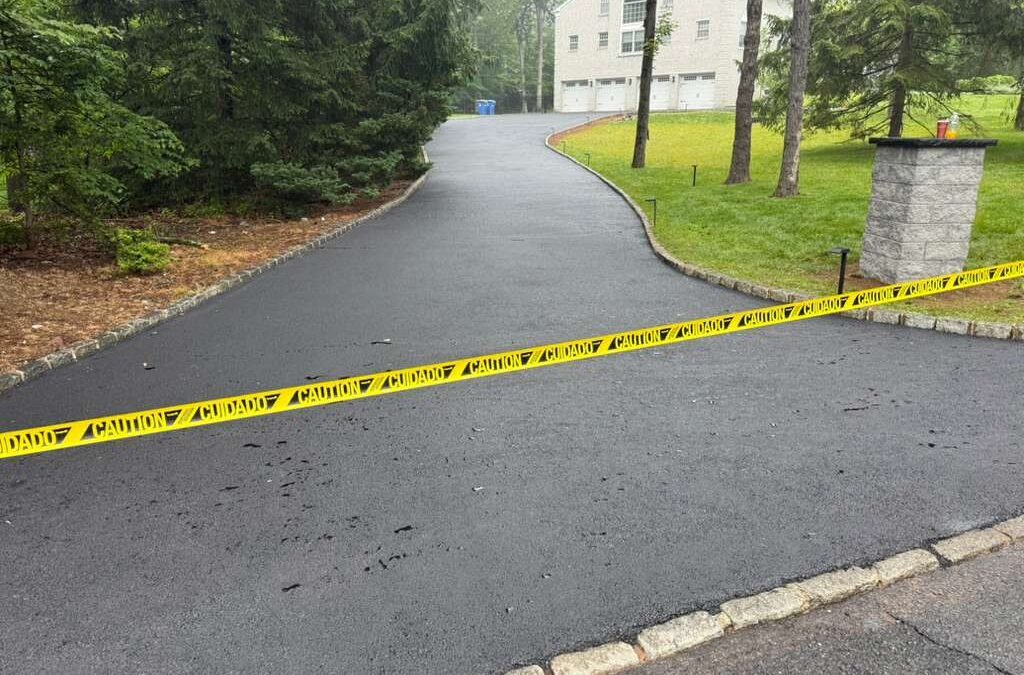
Asphalt paving in New Jersey costs roughly 5 to 12 dollars per square foot for a new driveway in 2026, lasts 15 to 25 years with proper maintenance, and depends heavily on base preparation because of the state’s freeze-thaw winters. A quality installation uses a compacted aggregate base and correct asphalt thickness so the surface resists the cracking and heaving that destroy poorly built pavement. This guide explains how asphalt paving works in New Jersey, what it costs, how long it lasts, and how to protect your investment, whether you are paving a driveway, a private road, or a commercial parking lot.
Pavement Specialist Inc has installed and repaired asphalt across Morris County and northern New Jersey for years. Below is the practical, local knowledge you need before you start a project, and where to turn when you are ready to hire experienced paving contractors in New Jersey.
What Makes Asphalt Paving in New Jersey Different
New Jersey’s climate is the defining factor. Our winters drive repeated freeze-thaw cycles, where water enters the pavement, freezes, expands by roughly nine percent, and then thaws. Over a single season that cycle turns a hairline crack into a pothole and can undermine the base entirely. Add heavy clay soils, sloped lots in the northern Highlands, and some of the highest labor costs in the country, and it becomes clear why asphalt built for a southern state will not hold up here. Paving in New Jersey has to be engineered for water management and thermal movement from the ground up, which is exactly what separates lasting pavement from a surface that fails in a few years.
Types of Asphalt Paving Projects in New Jersey
Asphalt paving covers a range of residential and commercial work. The most common New Jersey projects include:
- Asphalt driveways: new installation and full replacement for homes.
- Resurfacing and overlays: a fresh asphalt layer over a sound existing base.
- Asphalt repair: patching, pothole repair, and crack sealing.
- Commercial parking lots: installation, resurfacing, and striping.
- Private roads and aprons: longer runs and transitions to the street.
If you prefer the look of stone or brick, our paver driveways are an alternative, but for a durable and cost effective surface, asphalt remains the New Jersey standard. You can view completed work in our project gallery.
How Asphalt Paving Works
Quality asphalt paving follows a clear sequence, and each step matters. First comes excavation and removal of the old surface or vegetation. Next is grading, which shapes the ground so water drains away from the pavement and toward the appropriate outlets. Then a compacted aggregate base is installed, usually several inches of crushed stone, which carries the load and provides drainage. On top of that goes the asphalt itself, often a binder layer followed by a finer surface course, each compacted with a roller to the correct density. Proper compaction is what locks the material together and prevents early rutting and cracking. When any of these steps is rushed or skipped, the pavement fails early, no matter how smooth it looks on day one.
Why Base Preparation Matters Most in New Jersey
Most asphalt failures in New Jersey start beneath the surface, not on it. A thin layer of asphalt over poorly compacted ground will crack, rut, and settle within a few winters, while the same asphalt over a properly built base can last decades. In our freeze-thaw climate, the base also has to drain, because trapped water is what expands and lifts the pavement when it freezes. A residential driveway typically needs two to three inches of asphalt over four to eight inches of compacted aggregate, and sloped or clay heavy sites often need more. Industry research from the National Asphalt Pavement Association consistently points to base preparation and drainage as the biggest drivers of pavement life. This is the single most important thing to get right, and the first place a low bid tends to cut corners.
Asphalt Paving Costs in New Jersey (2026)
Pricing depends on size, thickness, site conditions, and access, but here are typical 2026 New Jersey ranges to help you budget.
| Project | Typical 2026 NJ Cost | Notes |
|---|---|---|
| New asphalt driveway | 5 to 12 dollars per sq ft | A 600 sq ft two-car driveway often runs 3,000 to 6,000 dollars |
| Resurfacing or overlay | 2 to 5 dollars per sq ft | Only viable when the base is still sound |
| Asphalt repair and patching | Varies by area | Priced per job or by the square foot of damage |
| Sealcoating | 0.20 to 0.50 dollars per sq ft | Recommended every 3 to 5 years |
| Commercial parking lot | 3 to 8 dollars per sq ft | Larger areas benefit from economies of scale |
New Jersey costs generally run 15 to 25 percent above national averages, because the state has some of the highest construction wages in the country and because freeze-thaw conditions require thicker bases and higher quality asphalt mixes. A very low quote usually means a thinner base, less asphalt, or skipped drainage, which costs far more in repairs later.
Asphalt, Concrete, or Pavers in New Jersey
Each surface has a place, and the right choice depends on budget, appearance, and maintenance preference.
| Surface | Best For | Typical Lifespan | Notes |
|---|---|---|---|
| Asphalt | Cost effective, fast install | 15 to 25 years | Flexes with freeze-thaw, needs periodic sealcoating |
| Concrete | Long life, light color | 25 to 40 years | Higher cost, more prone to cracking and salt damage in NJ |
| Pavers | Premium curb appeal | 30 to 50 years | Highest upfront cost, individually repairable |
For most New Jersey homeowners, asphalt offers the best balance of cost, durability, and repairability, which is why it remains the most common driveway surface in the state.
How Long Asphalt Lasts and How to Maintain It
A properly installed asphalt driveway in New Jersey lasts 15 to 25 years, and maintenance decides where in that range you land. New asphalt should be allowed to cure, then sealcoated and resealed every three to five years to protect against water, ultraviolet oxidation, and the road salts used on New Jersey streets each winter. Cracks should be filled promptly, before winter water gets in and freeze-thaw widens them into potholes. A simple routine of sealcoating and crack filling can add years to a driveway and delay the far larger cost of full replacement. We build a realistic maintenance plan into every installation so you protect the investment from day one.
The Best Time of Year to Pave in New Jersey
Asphalt is temperature sensitive, so timing matters. The prime paving season in New Jersey runs from late spring through early fall, when ground and air temperatures allow the asphalt to be laid and compacted correctly. Paving in cold weather risks poor compaction and a shorter lifespan, so reputable contractors avoid hard freeze conditions or take cold weather precautions. Late spring and early summer are the busiest months, which can mean longer lead times, so if you are planning a project, reaching out early in the season, or even during the winter to reserve a spot, helps you start on time.
Permits and Drainage Rules for Paving in New Jersey
Adding or widening a driveway increases impervious surface, which New Jersey’s stormwater rules, overseen by the New Jersey Department of Environmental Protection, require you to manage. Driveway aprons, curb cuts, and elevation changes may also need municipal approval, and requirements vary by township under the New Jersey Uniform Construction Code. A professional paving contractor confirms local requirements, grades for positive drainage, and, where coverage limits are a concern, recommends solutions that keep your project compliant. Always confirm in writing who handles any permits.
Commercial Parking Lot Paving in New Jersey
For New Jersey businesses, a well paved lot is about safety, accessibility, and first impressions. We install and resurface commercial parking lots with engineered bases built for traffic loads, proper drainage to prevent ponding and winter ice, and clear striping and layout that meets accessibility standards. Routine sealcoating and crack maintenance keep a lot safe and code compliant year round, and scheduling that work in phases minimizes disruption to your operations.
Why Pavement Specialist Inc Is the Best Choice for Paving in New Jersey
When you are ready to hire, here is why New Jersey property owners choose us. We are a family owned, fully licensed New Jersey contractor, New Jersey Home Improvement Contractor license number 13VH12424100, and we treat paving as engineering rather than simple surfacing. We understand New Jersey’s freeze-thaw climate, clay soils, and sloped lots, and we build every driveway and lot on a properly graded, compacted, and drained base. Every project comes with durable materials, clear communication, and a realistic maintenance plan. You can read what local customers say on our reviews page, see related work in Morristown and Randolph, and explore our full range of paving and masonry services. Unlike template websites and thin location pages, we deliver genuine local expertise and workmanship you can verify.
Signs Your Asphalt Needs Attention
Catching problems early is far cheaper than replacing a driveway, so it helps to know the warning signs. Watch for cracks that are widening or connecting into a web pattern, potholes, areas that hold water or pond after rain, faded gray coloring that signals the sealer has worn away, crumbling or raveling edges where loose stone appears, and low spots where the surface has settled. Most of these trace back to water and freeze-thaw working on a surface that has lost its seal or a base that was not built for our climate. Small cracks and worn sealer are inexpensive to address with crack filling and a fresh sealcoat, while ignoring them lets winter water reach the base and turn a minor fix into a full replacement. If you are seeing several of these signs at once, it is worth having the pavement evaluated before the next winter.
Get a Free Paving Estimate in New Jersey
Whether you need a new asphalt driveway, resurfacing, parking lot paving, or repair, Pavement Specialist Inc provides free, no obligation on site estimates with a clear breakdown of base, materials, drainage, and labor. Call (908) 727-3772 or request your free estimate today, and get pavement engineered for New Jersey conditions.
Frequently Asked Questions
What is the best time of year to pave a driveway in New Jersey?
Late spring through early fall is ideal, because warm ground and air temperatures allow asphalt to be laid and compacted correctly. Paving during hard freezes risks poor compaction and a shorter lifespan, so contractors avoid it or take cold weather precautions.
How long before I can drive on a new asphalt driveway?
Wait about 24 to 72 hours before driving on new asphalt, and avoid parking heavy vehicles or turning sharply for the first several days. The surface continues to cure over the following months, which is why sealcoating is done later, not right away.
Do I need a permit to pave a driveway in New Jersey?
Possibly. Driveway aprons, curb cuts, elevation changes, and added impervious surface may require township approval and stormwater management. A professional contractor confirms local requirements and handles any needed permits.
How thick should an asphalt driveway be in New Jersey?
A residential driveway typically needs two to three inches of asphalt over four to eight inches of compacted aggregate base. Sloped or clay heavy New Jersey sites often need a thicker base to handle freeze-thaw and drainage.
How often should I sealcoat asphalt in New Jersey?
Plan to sealcoat every three to five years. Sealcoating protects asphalt from water, ultraviolet oxidation, and winter road salt, all of which are aggressive in the New Jersey climate, and it significantly extends the life of the pavement.
Can I pave over my existing asphalt driveway?
Often, yes. If the existing base is stable and the damage is limited to the surface, an overlay restores the driveway at lower cost. If the base has failed or there is widespread cracking and settling, full replacement is the durable solution.