
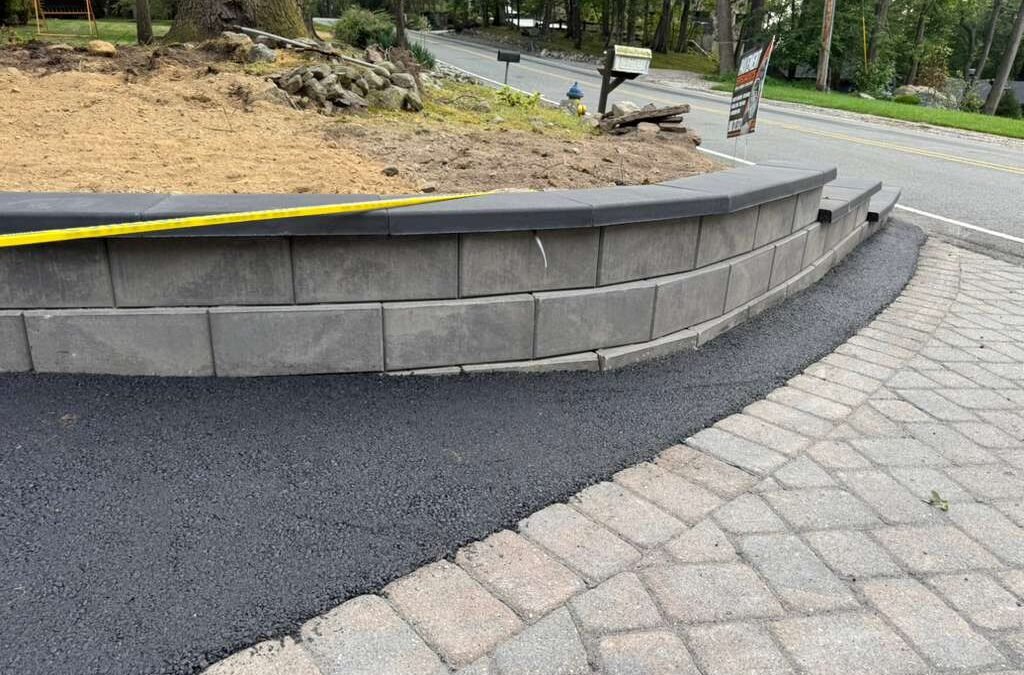
Mendham Township sits in the heart of Morris County, where colonial-era stone walls, historic Ralston and Brookside homes, and tree-lined estates define the landscape. With a median home value above $1 million and two neighborhoods on the National Register of Historic Places, the masonry work here demands more than a generic contractor. Whether you need a retaining wall along a sloped lot off Ironia Road, a chimney rebuild on a 19th-century farmhouse, or new bluestone steps for a modern estate, this guide covers costs, materials, permits, and what separates a qualified mason from the rest.
Masonry contractors in Mendham Township, NJ handle everything from structural foundation repairs to decorative stone veneer installations. Homeowners in this community typically invest in projects that preserve property value while matching the architectural character of Morris County’s most established neighborhoods. The right contractor brings a New Jersey Home Improvement Contractor license, verifiable references from local projects, and deep familiarity with the soil conditions and building codes specific to this part of the state.
What Masonry Services Do Mendham Township Homeowners Need Most?
Properties in Mendham Township range from 18th-century stone farmhouses in Ralston to newer construction in Pleasant Valley and Colemans Hollow. That range creates demand for a wide mix of masonry work. The most common projects include retaining walls for the township’s hilly terrain, chimney repairs on older homes, stone and brick step construction, patio and walkway installation, foundation repairs, and decorative stone veneer for facades.
Retaining walls are especially common here because much of Mendham Township sits at elevations around 492 feet with significant grade changes across residential lots. A well-built retaining wall prevents soil erosion, manages stormwater runoff, and adds usable yard space on sloped properties. For walls over four feet tall, New Jersey requires a structural engineer’s design, and Mendham Township’s building department issues permits for any wall that alters drainage patterns or sits near property lines.
Chimney work ranks as the second most requested masonry service. Many homes in the Brookside and Ralston historic districts have original brick or stone chimneys that are 80 to 150 years old. These chimneys often need tuckpointing, crown repair, or partial rebuilds to meet current fire safety codes. A qualified mason inspects the firebox, flue liner, and mortar joints before recommending repairs, and uses lime-based mortar on historic structures rather than modern Portland cement, which can damage old brick.
Stone, Brick, or Concrete Block: Choosing the Right Material
Material choice affects cost, durability, appearance, and maintenance for decades. Here is how the three primary masonry materials compare for Mendham Township projects.
Natural stone is the premium choice and the most common in Mendham’s historic areas. Fieldstone, bluestone, and Pennsylvania flagstone are popular for walls, patios, and steps. Natural stone blends with the rural character of the township and can last well over 100 years with minimal maintenance. The tradeoff is cost. Stone masonry runs $25 to $45 per square foot for materials and installation, depending on stone type, wall height, and site access. Custom-cut bluestone steps typically cost $1,500 to $4,000 per flight.
Brick offers a traditional look at a moderate price point. Standard clay brick costs $12 to $25 per square foot installed, and a well-laid brick wall or patio can last 100 to 150 years according to the Brick Industry Association. Brick works well for steps, walkways, chimneys, and facades. It does require periodic tuckpointing every 25 to 30 years as mortar joints weather. For Mendham Township homes built before 1920, matching the original brick size, color, and bond pattern matters for both aesthetics and historic preservation.
Concrete block is the most affordable structural option at $10 to $20 per square foot installed. It works best for retaining walls, foundations, and utility structures where appearance is secondary to function. Block walls are often faced with stone veneer or stucco to match the neighborhood character. Pre-cast interlocking concrete block systems, such as those from Belgard or Cambridge, are popular for retaining walls under four feet and cost $15 to $30 per square foot including installation.
How Much Does Masonry Work Cost in Mendham Township, NJ?
Masonry costs in Morris County run higher than the national average because of the area’s higher labor rates, stricter building codes, and the prevalence of custom stone work. Here are typical 2026 cost ranges for common projects based on HomeAdvisor and regional contractor data.
A new stone or brick retaining wall costs $25 to $45 per square foot for natural stone and $15 to $30 per square foot for concrete block systems. A typical 30-inch-high, 20-foot-long wall (about 50 square feet of face) runs $1,250 to $2,000 for stone or $750 to $1,500 for interlocking block. Add $200 to $500 for engineering if the wall exceeds four feet.
Chimney repairs range from $500 to $3,500 in the Mendham area. Basic tuckpointing on a standard two-story chimney averages around $2,656 according to HomeAdvisor data for Mendham, NJ. A full chimney rebuild from the roofline up can reach $5,000 to $10,000 depending on height and materials.
Patio and walkway installation runs $15 to $35 per square foot for brick or stone pavers. A 200-square-foot bluestone patio typically costs $4,000 to $7,000 installed. Concrete walkways cost less at $8 to $15 per square foot but lack the visual appeal that Mendham Township homeowners generally prefer.
New brick or stone steps cost $1,200 to $4,500 per flight depending on material, width, and the number of risers. Cultured stone veneer installation for a facade or accent wall runs $12 to $25 per square foot, while natural stone veneer ranges from $20 to $40 per square foot.
Permits and Building Codes for Masonry in Mendham Township
Mendham Township requires construction permits for most masonry projects that involve structural elements. The township’s construction office, accessible through mendhamnj.org, handles applications for retaining walls, chimney modifications, foundation work, and any project that changes the footprint or structural load of a building.
Retaining walls over four feet tall need both a building permit and a stamped engineering plan. Walls under four feet may still require a permit if they affect drainage on adjacent properties or sit within a setback zone. The township’s zoning ordinances, codified through eCode360, specify setback requirements that vary by zone.
For properties in the Ralston or Brookside historic districts, exterior masonry work may also require review by the township’s historic preservation committee. This review ensures that new construction or repairs use materials and techniques consistent with the district’s character. Homeowners should factor in two to four weeks of additional review time for projects in these areas.
All masonry contractors working in Mendham Township must hold a valid New Jersey Home Improvement Contractor (HIC) registration. This registration is issued by the New Jersey Division of Consumer Affairs and can be verified online through their contractor lookup tool. Licensed contractors carry general liability insurance and workers’ compensation coverage, which protects homeowners from liability if a worker is injured on their property.
Retaining Walls for Mendham Township’s Hilly Terrain
The rolling topography of Mendham Township makes retaining walls one of the most common masonry projects in the area. Properties along Tempe Wick Road, Hilltop Road, and the areas surrounding India Brook Park often have grade changes of five feet or more across a single lot. Without proper retaining structures, these slopes can erode during spring snowmelt and heavy rain, undermining foundations, washing out landscaping, and sending sediment into the upper Whippany River watershed.
A properly engineered retaining wall includes a compacted gravel base, drainage aggregate behind the wall, weep holes or a perforated drain pipe at the base, and filter fabric to prevent soil migration into the drainage layer. Skipping these elements is the most common cause of retaining wall failure in New Jersey, and repairs typically cost 50% to 75% of what a new wall would have cost if built correctly.
For walls under four feet, segmental concrete block systems offer a balance of durability and cost. For taller walls or walls in visible locations, natural stone or stone-faced concrete provides the structural strength and visual quality that matches Mendham Township’s residential character. Your contractor should provide a written scope of work that specifies wall dimensions, drainage provisions, backfill material, and the type of cap or coping.
Chimney Repair and Restoration for Historic Mendham Homes
Mendham Township’s stock of 18th and 19th-century homes means chimney masonry work here often involves restoration rather than simple repair. Original chimneys built with soft brick and lime mortar require different techniques than modern construction. Portland cement mortar, which most contractors default to, is harder than the surrounding brick and can cause spalling, cracking, and accelerated deterioration on historic chimneys.
The correct approach for historic chimneys uses a lime putty or natural hydraulic lime (NHL) mortar that matches the flexibility and vapor permeability of the original mix. A mason experienced with historic restoration will also match the mortar joint profile, whether that is a flush, concave, or struck joint, to maintain the chimney’s original appearance.
Beyond aesthetics, chimney safety is the primary concern. The National Fire Protection Association (NFPA) recommends annual chimney inspections. Common issues in Mendham Township homes include deteriorated flue liners, damaged chimney crowns that allow water infiltration, and cracked or missing mortar joints that create fire hazards. A Level 2 inspection, which includes a video scan of the flue interior, costs $150 to $500 and is recommended whenever you buy a home or change the type of fuel being burned.
Walkways, Patios, and Outdoor Living Spaces
Outdoor masonry projects add both function and value to Mendham Township properties. Bluestone, brick, and natural stone patios are the most popular choices in this market, where homeowners prioritize materials that complement the wooded, estate-like setting of their lots.
A well-designed patio starts with proper site grading and a compacted aggregate base. The base should be a minimum of six inches deep for vehicular areas and four inches for pedestrian-only patios and walkways. Polymeric sand between joints prevents weed growth and ant colonies while allowing water to drain through. For properties with clay-heavy soil, which is common in parts of Mendham Township, an additional two inches of base material and a layer of geotextile fabric improve long-term stability.
Outdoor kitchens and fire pits have become increasingly popular additions. A masonry fire pit built from natural stone or fire-rated brick costs $1,500 to $5,000 depending on size and complexity. Outdoor kitchen structures with stone veneer, a built-in grill, and countertops typically run $8,000 to $20,000. These projects require a building permit and must meet setback requirements for open flame structures.
Foundation Repair and Waterproofing
Foundation issues affect many older homes in Mendham Township, particularly those built with rubble stone or unreinforced block foundations before modern building codes. Signs of foundation problems include stair-step cracks in mortar joints, bowing basement walls, water infiltration during heavy rain, and doors or windows that no longer close properly.
Common foundation masonry repairs include tuckpointing deteriorated mortar joints ($8 to $15 per square foot), installing carbon fiber reinforcement strips on bowing walls ($3,000 to $6,000 per wall), parging the exterior with a waterproof coating ($5 to $10 per square foot), and installing an interior or exterior drainage system to manage groundwater.
For stone foundations, which are typical of Mendham’s pre-1900 homes, repointing with lime mortar is essential. Many contractors unfamiliar with historic construction use Portland cement, which traps moisture inside the wall and accelerates stone deterioration. Ask any contractor you are considering whether they have specific experience with stone foundation repair and what type of mortar they use.
What to Look for in a Licensed Mendham Township Mason
Hiring the right masonry contractor in Mendham Township means looking beyond the lowest bid. The township’s mix of historic properties, challenging terrain, and high property values demands a contractor who brings genuine expertise rather than generic promises.
Start by verifying the contractor’s New Jersey HIC registration through the Division of Consumer Affairs. Ask for proof of general liability insurance (minimum $500,000) and workers’ compensation coverage. Request at least three references from projects completed within Morris County in the past two years, and check those references.
A qualified mason will visit your property before providing an estimate, assess soil conditions and drainage, and provide a written proposal that specifies materials, dimensions, timeline, payment schedule, and warranty terms. Be cautious of contractors who quote over the phone, ask for more than one-third of the project cost upfront, or cannot show you photos of completed local projects.
For projects involving historic structures, ask whether the contractor has experience with lime mortar, period-appropriate materials, and the Mendham Township historic preservation review process. Not every mason has this expertise, and using the wrong techniques on a historic home can cause thousands of dollars in additional damage.
Why Pavement Specialists Inc. Is the Trusted Choice for Mendham Township Masonry
Pavement Specialists Inc. has built a reputation across Morris County for delivering masonry work that meets the high standards Mendham Township homeowners expect. Based in nearby Parsippany, the company serves Mendham Township, Montville, Morristown, Randolph, and communities throughout the county.
What sets Pavement Specialists apart is a combination of experience, local knowledge, and accountability. The team handles stone walls, brick steps, retaining walls, chimney repairs, patios, and foundation work with the same attention to detail on every project. They understand the specific challenges of working in Mendham Township, from the hilly terrain that requires engineered retaining solutions to the historic properties that demand period-appropriate materials and techniques.
Every project begins with a free on-site consultation where the team evaluates soil conditions, drainage patterns, and structural requirements before recommending a solution. The company is fully licensed and insured in New Jersey, provides written warranties on completed work, and maintains a portfolio of completed projects across Morris County that prospective clients can review.
For homeowners comparing masonry contractors in Mendham Township, Pavement Specialists offers the combination of full-service capabilities, transparent pricing, and proven local results that makes the decision straightforward. Contact Pavement Specialists for a free estimate on your next masonry project.
Seasonal Timing: When to Schedule Masonry Work in New Jersey
Timing matters for masonry projects in Morris County. Mortar and concrete cure best at temperatures between 40 and 90 degrees Fahrenheit. In Mendham Township, that window runs roughly from mid-April through mid-November. Starting a project in late fall risks incomplete curing before winter freeze-thaw cycles, which can weaken mortar joints and cause premature cracking.
Spring and early summer are the busiest seasons for masonry contractors in northern New Jersey, so scheduling lead times of four to eight weeks are common from April through June. Homeowners who book projects in late summer or early fall often benefit from shorter wait times and more flexible scheduling while still completing the work before cold weather arrives.
Emergency repairs, such as a damaged chimney crown or a failing retaining wall, should not wait for ideal weather. A qualified contractor can perform temporary stabilization measures in any season and schedule the permanent repair for the next suitable window.
Maintaining Your Masonry Investment
Proper maintenance extends the life of masonry work by decades. For stone and brick structures, inspect mortar joints annually for cracks, gaps, or soft spots. Tuckpointing individual joints as they deteriorate is far less expensive than repointing an entire wall after years of neglect.
Seal natural stone patios and walkways every two to three years with a breathable penetrating sealer. Avoid film-forming sealers on outdoor masonry because they trap moisture and cause spalling in freeze-thaw conditions. Clean masonry surfaces with a low-pressure wash (under 1,500 PSI) and a masonry-specific detergent rather than a high-pressure washer, which can erode mortar and damage soft brick.
For retaining walls, check weep holes and drainage outlets after every heavy rain. Clear any debris that blocks drainage, and watch for signs of movement such as tilting, bulging, or new cracks. Catching these issues early can mean a $500 repair instead of a $5,000 rebuild.
Frequently Asked Questions About Masonry in Mendham Township, NJ
How much does masonry work cost in Mendham Township, NJ?
Costs vary by project type and material. Stone retaining walls run $25 to $45 per square foot, brick work costs $12 to $25 per square foot, and concrete block runs $10 to $20 per square foot. Chimney tuckpointing averages around $2,656 in the Mendham area according to HomeAdvisor. Full project costs depend on size, material, site conditions, and engineering requirements.
Do I need a permit for masonry work in Mendham Township?
Yes, for most structural masonry projects. Retaining walls over four feet require both a building permit and an engineer’s stamp. Chimney modifications, foundation work, and projects that change a building’s footprint also need permits. Check with the Mendham Township construction office before starting any project.
What is the best material for a retaining wall in Morris County?
Natural stone offers the longest lifespan (100+ years) and best visual match for Mendham Township’s landscape, but costs more at $25 to $45 per square foot. Interlocking concrete block systems cost $15 to $30 per square foot and work well for walls under four feet. Your choice depends on wall height, visibility, and budget.
How long does a brick or stone masonry project take?
A typical retaining wall or patio takes one to three weeks from start to finish. Chimney repairs usually take two to five days. Large projects like outdoor kitchens or full foundation repairs can take three to six weeks. Weather, permit processing, and material availability affect the timeline.
Should I use lime mortar or Portland cement mortar?
For homes built before 1920, lime-based mortar is the correct choice. Portland cement is too hard for soft historic brick and causes spalling and cracking over time. Modern construction typically uses Portland cement or a Portland-lime blend. Ask your contractor which mortar type they plan to use and why.
How do I verify a masonry contractor’s license in New Jersey?
All masonry contractors in New Jersey must hold a Home Improvement Contractor (HIC) registration issued by the Division of Consumer Affairs. You can verify any contractor’s registration online through the NJ Consumer Affairs website. Also confirm they carry general liability insurance and workers’ compensation coverage.
What causes retaining walls to fail?
The most common cause is inadequate drainage behind the wall. Without proper gravel backfill, weep holes, and a drain pipe at the base, water pressure builds behind the wall and pushes it outward. Poor compaction of the base, undersized footings, and lack of engineering on walls over four feet also lead to failure.
How often should I seal a stone or brick patio?
Apply a breathable penetrating sealer every two to three years for outdoor stone and brick. Avoid film-forming sealers in New Jersey because they trap moisture that expands during freeze-thaw cycles, causing surface spalling. Clean the surface thoroughly before sealing for best results.
Can masonry work be done in winter in New Jersey?
Masonry is best performed when temperatures stay between 40 and 90 degrees Fahrenheit, which means mid-April through mid-November in Morris County. Winter work is possible with cold-weather additives and heated enclosures, but it costs more and carries higher risk of curing issues. Schedule permanent work for warmer months when possible.
What is the difference between stone veneer and natural stone?
Natural stone is quarried solid rock, weighing 25 to 30 pounds per square foot, and requires a structural support system. Manufactured stone veneer weighs 8 to 12 pounds per square foot and can be applied to most surfaces without additional structural work. Natural stone lasts longer and has a more authentic look, while veneer costs 30% to 50% less and installs faster.